
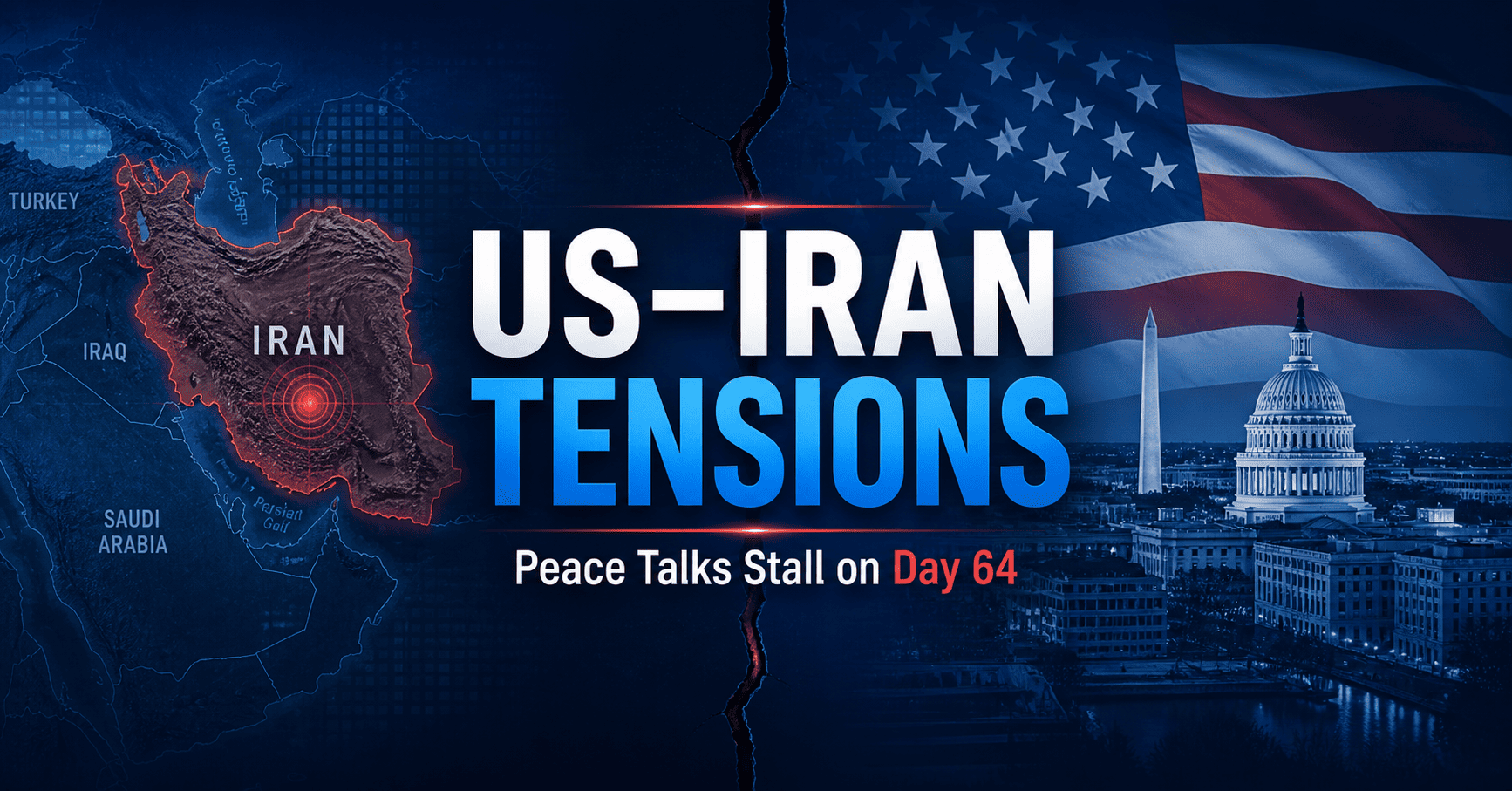
Tensions in the ongoing conflict involving the United States, Iran, and regional allies remain unresolved as peace negotiations face new setbacks.
US President Donald Trump has expressed dissatisfaction with Iran’s latest peace proposal, stating that the terms presented include demands he “cannot agree to.” He also cautioned against ending the conflict prematurely, warning that unresolved issues could lead to renewed tensions in the future.
At the same time, the United States has taken a firmer stance on maritime activity linked to Iran, warning that ships paying tolls to transit the Strait of Hormuz may face sanctions. This reflects continued pressure on Iran’s economic and strategic operations.
Within Iran, reports indicate ongoing strain:
- Fourteen soldiers were killed during operations involving unexploded ordnance
- Economic pressure continues due to prolonged conflict and sanctions
- Iranian leadership has called for increased internal resilience and economic resistance
In the United States, public opinion appears divided, with a recent poll suggesting that a majority of Americans believe the use of military force in this situation may have been a mistake.
Despite signals from US officials that active hostilities may be easing, military presence remains significant in the region, and diplomatic resolution has not yet been achieved.
🔍 Discernment
This situation reflects a broader pattern often seen in global conflicts:
- Power struggles without clear resolution
- Economic pressure used as a strategic weapon
- Diplomatic efforts that stall under competing interests
It also highlights the uncertainty of relying solely on human systems for lasting peace. Agreements can be proposed, rejected, and renegotiated, yet stability remains fragile.
For observers, this is not just about one region—it is a reminder of how interconnected global systems are:
- energy supply
- trade routes
- economic stability
- national security
Moments like this call for discernment, not panic.
📖 What Scripture Says
- “When you hear of wars and rumors of wars, do not be troubled; such things must happen, but the end is not yet.” — Mark 13:7
- “God is our refuge and strength, a very present help in trouble.” — Psalm 46:1
- “He makes wars cease to the ends of the earth.” — Psalm 46:9
These scriptures remind believers that while conflicts may arise, God’s authority and stability remain unchanged.
🧭 How Believers Should Respond
- Stay informed, not overwhelmed
Understand events without absorbing fear-driven narratives - Pray for wisdom and peace
Not only for leaders, but for civilians affected by conflict - Practice stability in personal decisions
Especially in finances, planning, and daily living - Maintain a kingdom perspective
Recognizing that earthly systems are temporary, but God’s kingdom is not
🗣️ Faith Closing
In times of global uncertainty, believers are not called to fear but to steadiness.
While negotiations may rise and fall, and tensions may shift, our confidence is not in political outcomes but in God’s unchanging nature.
The Lord remains our refuge, our wisdom, and our peace—even when the world feels unsettled.