
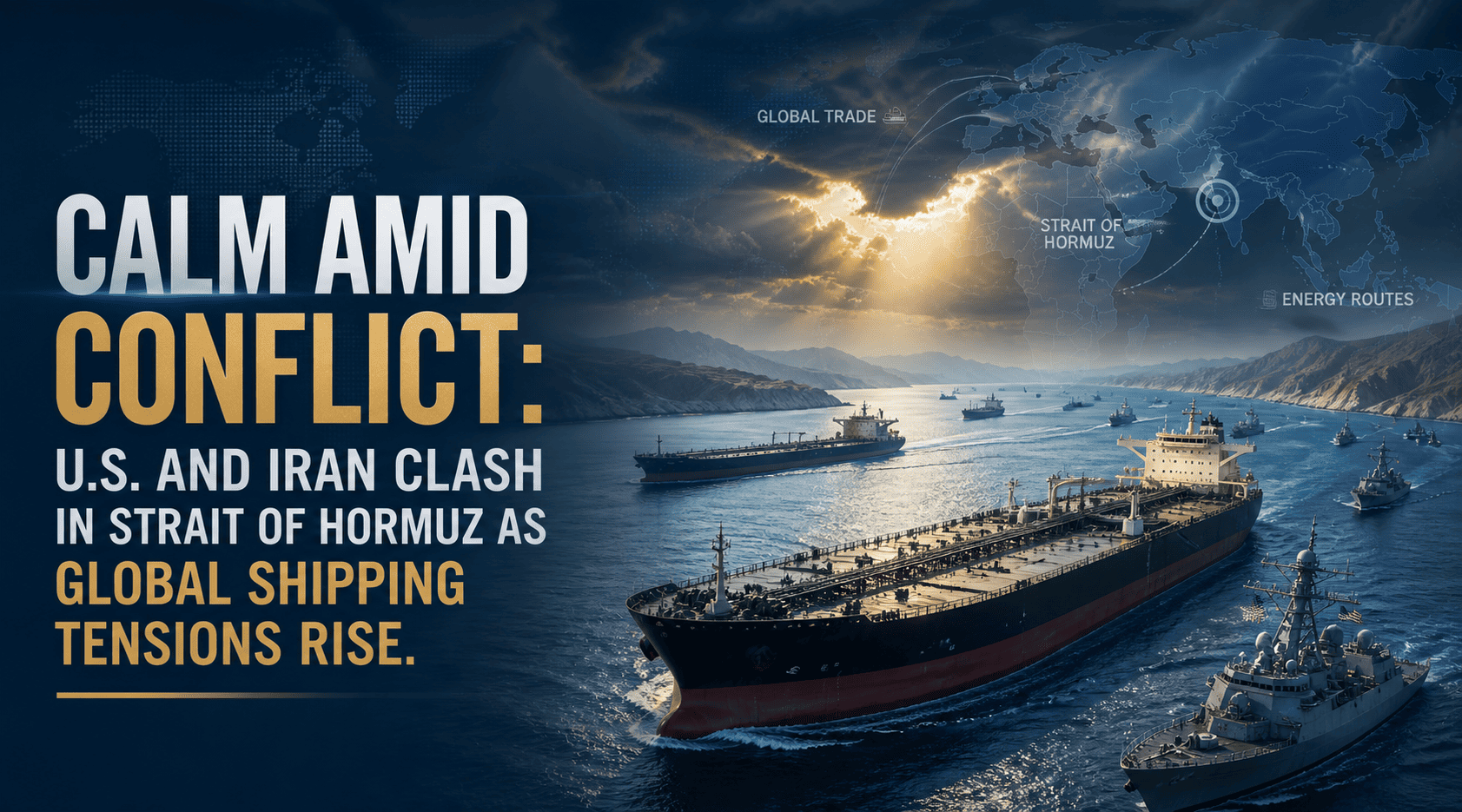
A new phase of military tension has unfolded in the Strait of Hormuz, one of the world’s most critical oil routes. The United States military confirmed it destroyed several Iranian fast boats and intercepted missiles and drones launched by Iran.
This action came as part of a U.S. operation called “Project Freedom,” ordered by Donald Trump, aimed at reopening the strait after it had been effectively blocked amid ongoing conflict involving Iran, the U.S., and Israel.
U.S. forces reportedly deployed thousands of troops, naval ships, aircraft, and advanced defense systems to protect commercial vessels and restore safe passage. While the U.S. claims success in defending ships and clearing routes, Iranian officials have disputed parts of these reports.
The situation remains fluid, with attacks reported across the region, including drone and missile strikes, and uncertainty around whether a previous ceasefire agreement still holds.
Discernment
This moment reflects a serious escalation, but also a reminder of how fragile global stability can be when key regions are under tension. The Strait of Hormuz is not just a regional concern—it affects nations worldwide through energy supply and economic stability.
Yet it is important to approach such news with discernment. Not every ռազմական movement signals a full-scale war, but it does call for watchfulness, wisdom, and prayer. Conflicting reports from both sides also remind us to avoid rushing to conclusions or reacting in fear.
This is a time to stay informed—but also spiritually grounded.
What Scripture Says
- “When you hear of wars and rumors of wars, do not be alarmed…” — Mark 13:7
- “God is our refuge and strength, an ever-present help in trouble.” — Psalm 46:1
- “Blessed are the peacemakers…” — Matthew 5:9
These scriptures do not ignore conflict—but they guide us on how to stand firm within it.
How Believers Should Respond
- Pray for peace in the Middle East and for wisdom among leaders making critical decisions.
- Resist fear-driven thinking—stay informed, but not overwhelmed.
- Show compassion for civilians and families affected by instability.
- Seek God’s perspective daily, rather than being shaped solely by headlines.
- Promote peace in your own sphere, reflecting Christ in conversations and attitudes.
Faith-Centered Closing
Even as tensions rise across nations, God’s authority remains unchanged. He is not shaken by geopolitical conflict, and His peace is still available to those who trust Him.
Let us remain steady—aware of the times, but anchored in faith. In uncertain waters, God is still our refuge, our guide, and our peace.